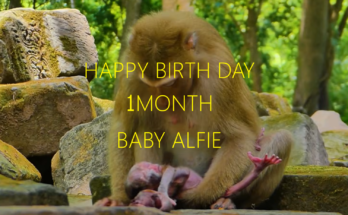
The morning sun filtered softly through the trees, casting a warm golden glow across the quiet forest. But beneath that peaceful scene, a small moment of struggle was unfolding—one that would shape the life of a young baby monkey forever.
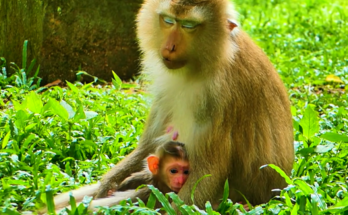
Clinging tightly to his mother’s fur, the tiny monkey refused to let go. For weeks, he had relied on her for everything—comfort, safety, and nourishment. Her presence was his entire world. But today was different. Today marked a turning point neither of them could avoid.
The mother monkey, usually gentle and patient, began to act with unexpected firmness. Each time the baby reached for her, she shifted away. When he tried to nurse, she pulled back. Her actions weren’t random or cruel—they were deliberate. It was time for him to begin the difficult journey toward independence.
Confused and distressed, the baby monkey let out soft cries. He didn’t understand why the warmth he depended on was suddenly being taken away. His small body trembled as he tried again and again to reconnect, only to be met with resistance. To an outside observer, the moment felt heartbreaking.
But nature often tells a deeper story.
Weaning is one of the most critical stages in a young animal’s life. It’s not just about stopping milk—it’s about survival. The mother knew that if her baby didn’t learn to find food, climb confidently, and navigate the world alone, his chances of survival would be dangerously low.
Still, knowing that doesn’t make the moment any easier to watch.
The baby monkey’s cries grew louder, echoing through the trees. His eyes searched desperately for reassurance, for the comfort he had always known. Yet his mother remained steady. She stayed close enough to watch him, but distant enough to push him forward.
It was a delicate balance—love expressed not through comfort, but through tough decisions.
Slowly, something began to change. Between moments of crying, the baby monkey started to look around. He noticed leaves rustling in the breeze. He saw older monkeys moving confidently among the branches. Hunger nudged him to explore.
With hesitant movements, he loosened his grip and reached for a nearby branch. It was shaky at first. His tiny hands weren’t used to supporting his full weight without his mother’s help. But he tried again. And again.
Each small success built a fragile sense of confidence.
The mother watched closely, her eyes never leaving him. Though she appeared firm, her role hadn’t changed—she was still protecting him, just in a different way. Instead of holding him close, she was guiding him toward strength.
Moments later, the baby managed to climb a short distance on his own. It wasn’t much, but it was enough to mark the beginning of something new. His cries softened, replaced by quiet focus. The fear was still there, but so was determination.
This emotional and painful moment wasn’t just about separation—it was about growth.
In the wild, survival demands resilience. The mother monkey understood that her baby needed more than comfort; he needed the skills to live. By stepping back, she was giving him the chance to step forward.
For viewers, it’s easy to feel sadness watching such a scene. The instinct to protect and comfort is deeply human. But this moment also carries a powerful reminder: sometimes, the hardest lessons come from love that refuses to hold on too tightly.
As the sun climbed higher, the forest returned to its usual rhythm. The baby monkey, still unsure but trying, moved carefully through his surroundings. His journey had just begun, shaped by a moment that felt painful but carried a deeper purpose.
And nearby, his mother remained—watching, waiting, and quietly ensuring that her baby would grow strong enough to face the world on his own.