
Injured Baby Monkey Gets Care After an Attack
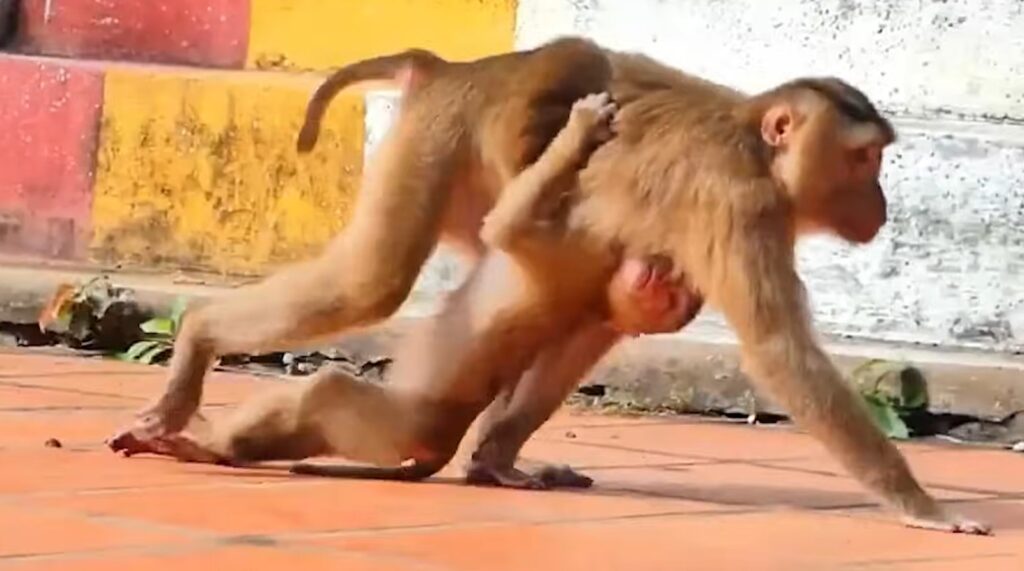
The morning started like any other in the quiet edge of the forest—soft sunlight filtering through the trees, distant birds calling, and the gentle rustle of leaves in the breeze. But within moments, everything changed for one tiny life. A baby monkey, no more than a few months old, was found lying helpless on the ground after a sudden and brutal attack that left its hind legs unable to move.
Witnesses nearby described the heartbreaking scene. The infant, usually playful and curious, was now motionless except for faint movements of its tiny hands. Its eyes, wide with fear and confusion, searched for comfort that wasn’t there. The attack had come quickly, and the damage was severe. The baby’s lower body appeared completely paralyzed, leaving it vulnerable and unable to escape danger.
Fortunately, help arrived just in time.
A small rescue team, alerted by locals who heard distressed cries, rushed to the scene. Carefully approaching the frightened animal, they worked quickly but gently to secure the baby monkey. Every movement mattered. The team knew that improper handling could worsen the injury, so they wrapped the tiny body in a soft cloth, providing warmth and a sense of safety as they transported it for urgent care.
At the rescue center, a team of dedicated caregivers and veterinary professionals immediately began their assessment. The baby monkey was dehydrated, weak, and clearly in pain. But the most concerning issue remained its hind legs—completely limp, showing no signs of response. The team suspected nerve damage or spinal trauma, both of which could have long-term consequences.
Despite the seriousness of the injury, the caregivers refused to lose hope.
They began with gentle hydration and nutritional support, feeding the baby monkey small amounts to restore its strength. Pain management was introduced carefully, ensuring the animal could rest without further stress. A quiet recovery space was prepared, filled with soft blankets and a calming environment to help the young animal feel secure.
Hours passed, and the baby monkey slowly began to show small signs of trust. It clung weakly to the caregiver’s hand during feeding, a tiny but powerful gesture that spoke volumes. Though its body was injured, its spirit remained strong.
The days that followed were filled with cautious optimism. Physical therapy sessions began, focusing on stimulating the lower limbs. At first, there was no movement at all. But the caregivers remained patient, gently massaging the legs and encouraging circulation. Every session was a step toward possibility, even when progress seemed invisible.
What made this journey even more emotional was the bond forming between the baby monkey and its caregivers. Without its mother nearby, the team became its source of comfort and protection. The baby responded with quiet resilience, holding on, adapting, and slowly regaining a sense of safety.
Stories like this resonate deeply with audiences across the United States, where compassion for animals and wildlife rescue efforts continues to grow. The image of a fragile creature fighting through pain, supported by dedicated humans, reminds us all of the importance of kindness and responsibility toward the natural world.
While the road to recovery is still uncertain, one thing is clear: this baby monkey is no longer alone. Surrounded by care, patience, and determination, it has been given a second chance—one that many never receive.
As updates continue, supporters remain hopeful. Whether full mobility returns or not, the focus remains on giving this tiny survivor the best life possible. Every small improvement is celebrated, every moment of comfort is cherished.
In the end, this is more than just a rescue story. It’s a powerful reminder that even in the face of sudden tragedy, compassion can change everything.
You may also like
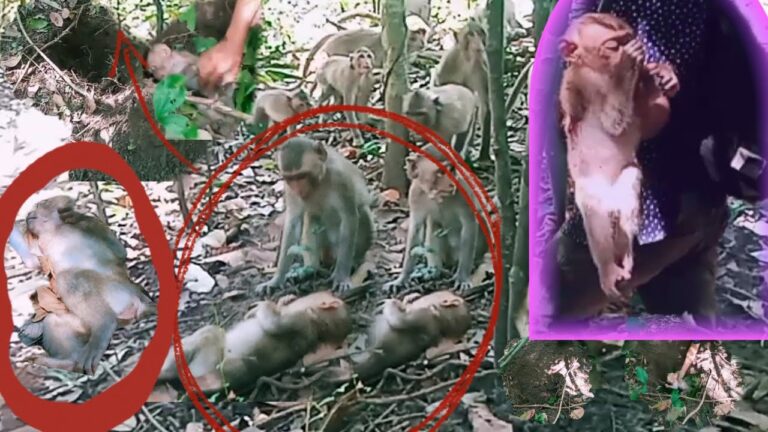
A Forest Troop Gathers Around a Fallen Baby Macaque
A quiet day of feeding turns somber as a macaque troop gathers in the forest around a baby that did…
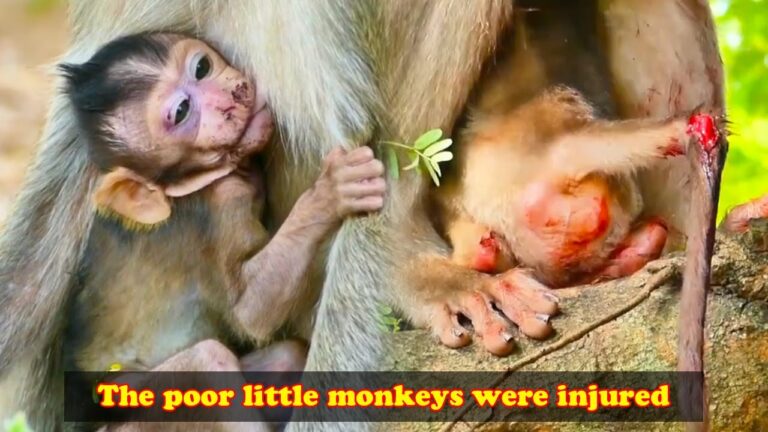
Injured Baby Macaques Cling to Mom in the Forest
Raw footage from the forest shows a pair of baby macaques with visible wounds, staying close to their mothers as…
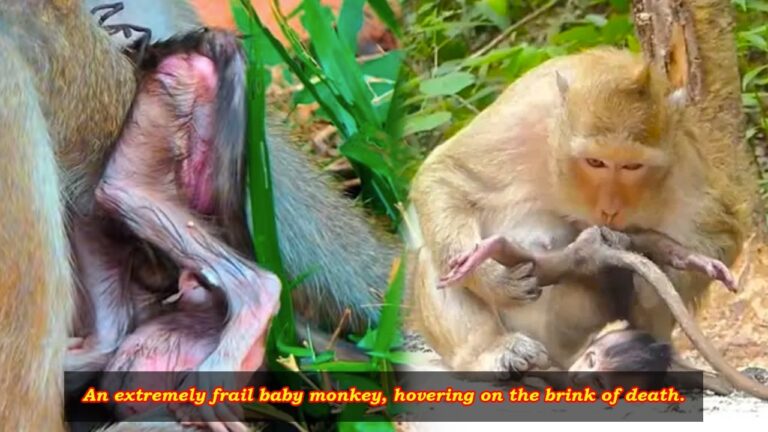
Frail Baby Macaque Clings to Mother’s Back in Raw Footage
A mother macaque carries her visibly frail infant through the undergrowth in this field footage, the baby struggling to hold…