
Baby Monkey Bim Bim Visits the Pool and Opens Surprise Eggs
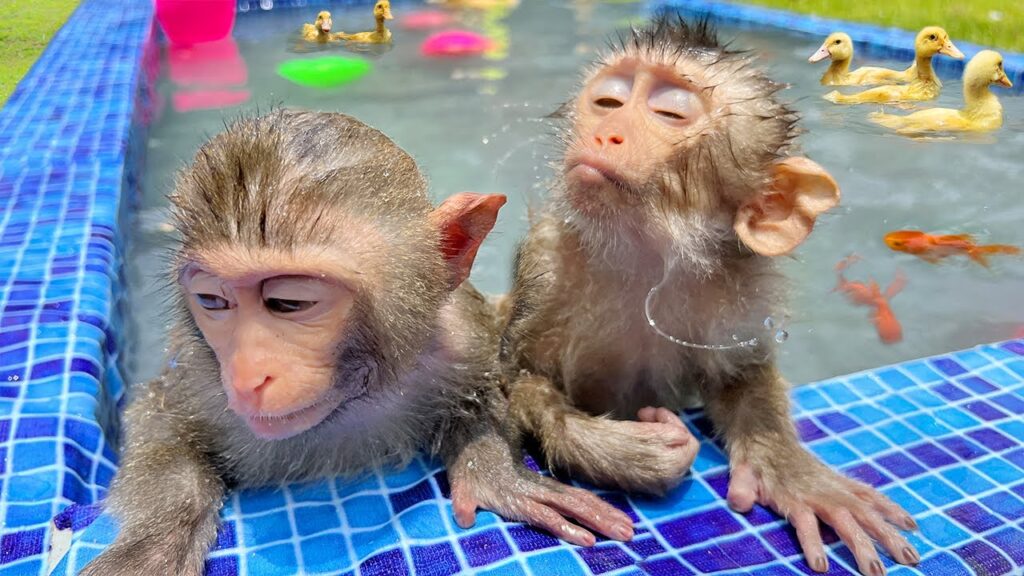
In a bright backyard clip, two small monkeys lean over the edge of a blue-tiled pool while yellow ducklings paddle nearby and an orange goldfish drifts past. The video is titled as a visit to the pool with a surprise-egg twist, and it is one of many clips from a channel that stars a young monkey known as Bim Bim.
The clip is easy to enjoy. It is also worth a closer look, because the same kind of video that makes a baby monkey look like a playful companion raises questions about what happens to these animals as they grow up.
What the video shows
The video was posted to YouTube on May 27, 2022, under the title “Monkey Baby Bim Bim Drives To The Pool And Opens Surprise Eggs With Puppy in the garden.” The channel, Baby Monkey Animal, describes itself as the official home of Bim Bim and says the team works to “create the best” for the monkeys in its videos. That is the channel’s own description, not an independent account of how the videos are made.
Four still frames from the video show a few clear scenes:
- The pool. The cover image shows two wet monkeys resting their arms on a blue-tiled pool edge. Yellow ducklings and a goldfish float in the water, along with pink and green floating toys.
- The play set. Early in the video, a monkey in a purple vest and white collared shirt sits on a wooden, log-style set with dried corn hanging behind it. A yellow baby bottle sits beside it.
- The snack table. In the middle of the video, two monkeys in matching purple outfits sit near a pink-frosted cake topped with an orange slice. One eats from the cake while the other holds up a red item.
- The toy truck. Later, a monkey in a blue plaid shirt sits inside a yellow toy dump truck outdoors, on dirt and grass, with a toy excavator arm at the left edge of the frame.
The frames do not show everything the title promises. None of the four stills shows a surprise egg being opened, and none shows an actual drive to the pool. The toy truck is the closest thing to a vehicle in the frames. The title’s wording suggests a sequence that the still images cannot confirm, so readers should treat the title as the video’s own description rather than a verified account of every scene.
Who is in the video
The channel names the star as Bim Bim, and it credits a second monkey, Obi, in other videos. Several of the channel’s other uploads list production credits, including a director and a director of photography, in their descriptions. Those credits suggest the scenes are planned and filmed, not simply caught by chance.
The species, age, and living arrangements of the monkeys are not stated in the material available for this article. The monkeys look like macaques, but that is a visual impression, not a confirmed identification. Where the animals live and who cares for them day to day are also unknown from the video itself.
Why baby monkey videos go viral
Small primates are hard to resist. Their big eyes, human-like hands, and dress-up outfits make them look like toddlers in costume. Channels built around them tend to pair that appeal with simple, bright setups: a kiddie pool, a toy truck, a cake, or a bottle.
The appeal can hide a real problem. Experts who study primates and work in animal care say a baby monkey’s behavior is not a reliable guide to what it will be like as an adult.
What experts say about pet monkeys
The St. Louis Zoo’s zoological manager of primates, Melissa McElya, has noted that pet monkeys are sometimes sold when they are only a couple of weeks old. Even when they are sweet and mild in infancy, they are still wild animals, and their behavior can change sharply as they mature, according to reporting from St. Louis Public Radio.
The change can be dangerous. Once monkeys reach sexual maturity, they can become aggressive, and the same reporting quotes experts who warn that their teeth, claws, and strength can cause serious injuries. National Geographic has reported the same pattern, noting that monkeys can turn aggressive as they grow up.
Health is another concern. Born Free USA, an animal welfare group that runs a primate sanctuary, says private ownership carries a risk of injury and disease spread to people. Its materials cite the Centers for Disease Control and Prevention (CDC) on macaques and herpes B virus. According to that account, most macaques carry the virus without showing signs of illness, but it can be fatal to people. The group reports 31 documented human infections since the virus was identified in 1932, with 21 of those cases fatal. Those numbers are rare, but the group says the risk is hard to spot because monkeys seldom show symptoms when they shed the virus.
Welfare groups and zoo experts also point to the care monkeys need. The RSPCA, a British animal welfare charity, says primates need specialist diets, specialist vets, and access to the outdoors, and that they can bite and attack owners as they mature. The American Veterinary Medical Association has opposed keeping wild animals, especially those that are dangerous to people, as pets since 1990, according to a CDC publication.
What the video does not answer
A video like this cannot show how the monkeys sleep, what they eat each day, whether they have time with other monkeys, or what happens when they are older. Those questions matter more than any single clip. The channel’s description and its legal notice say the content is not aimed at children under 13, which is a reminder that the videos are made for adult viewers who enjoy the animals, not as a guide to caring for one.
The U.S. policy picture is also in flux. In 2021, a federal bill called the Captive Primate Safety Act was introduced in both the House and the Senate to ban private ownership of primates. The current status of that bill could not be confirmed for this article, so readers who want to know whether private monkey ownership is legal in their state should check local and state rules.
The takeaway
The Bim Bim clip is a lighthearted look at a monkey in a pool, a toy truck, and a cake. It shows the appeal of young primates clearly. It also shows how little a single video can reveal. The animals are real, the setting is staged, and the questions about their long-term care are not answered by the footage.
If the video makes you curious about primates, the more useful next step is learning how they live in the wild and how zoos and sanctuaries care for them. Those sources offer a fuller picture than a clip ever will.
You may also like
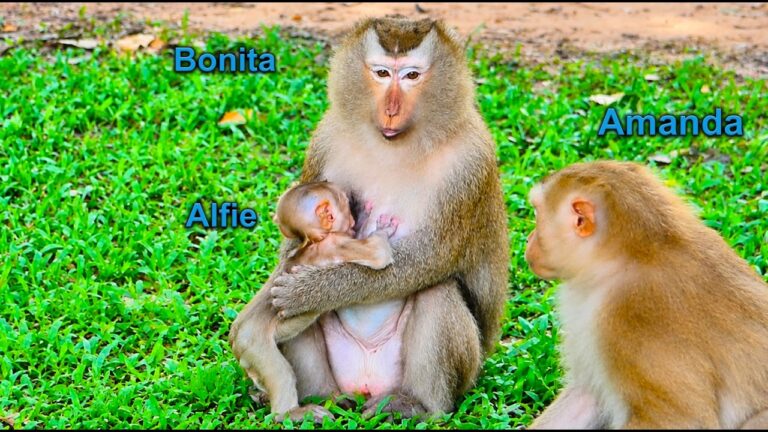
Baby Alfie Nurses From Grandma Bonita as Mom Amanda Watches
A young macaque named Alfie climbs into his grandmother Bonita's arms to nurse, while his mother Amanda sits just a…
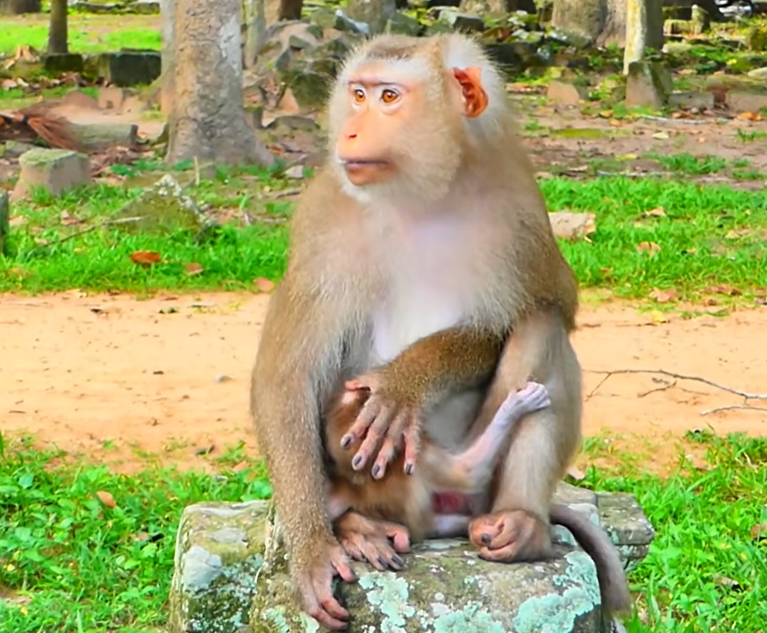
Mother’s Big Hands Gently Hold Her Tiny Baby Monkey
There are some wildlife moments that are impossible to watch without stopping for a second. This is one of those…
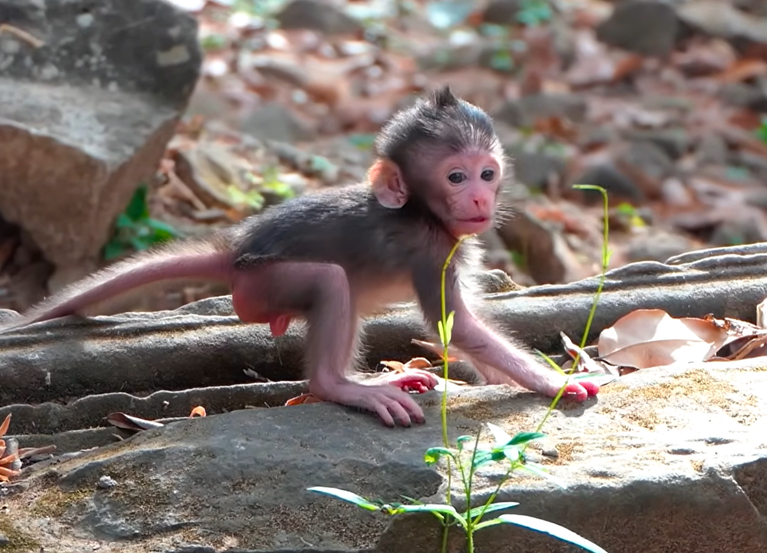
A Tiny Baby Finds Comfort With Mother Button
In the quiet corners of the forest, where leaves danced gently in the morning breeze, a tiny baby monkey had…